
Hydration plays a crucial role in running performance and overall health. Proper hydration ensures that the body functions efficiently during physical activity, helping to regulate body temperature, transport nutrients, remove waste products, and maintain electrolyte balance. For runners, especially those engaging in long-distance or intense workouts, understanding the importance of hydration and implementing effective strategies can make a significant difference in performance and recovery.
The human body is approximately 60% water, and during running, especially in warm or humid conditions, hydration becomes essential to compensate for the fluid lost through sweat. When a runner starts to dehydrate, it can lead to decreased blood volume, which reduces the amount of oxygen and nutrients delivered to muscles. This can cause fatigue, impair endurance, and increase the risk of heat-related illnesses such as heat exhaustion or heat stroke.
One of the primary goals of hydration is to prevent dehydration. Mild dehydration (loss of 1-2% of body weight in fluids) can impair physical and cognitive performance. More severe dehydration can lead to dizziness, nausea, cramping, and even more serious complications. Therefore, staying adequately hydrated before, during, and after running is essential.
Pre-run hydration involves drinking fluids in the hours leading up to a run. Experts generally recommend consuming about 16-20 ounces of water 2-3 hours before exercise and a small amount just before starting. This ensures the body begins the activity well-hydrated. However, overhydration should be avoided, as it can lead to hyponatremia, a dangerous condition caused by low sodium levels in the blood.
During running, especially if it’s a long-distance race or training session lasting over 60 minutes, maintaining hydration is key. Runners should aim to sip fluids regularly—about 3 to 8 ounces every 15-20 minutes—depending on their sweat rate, the weather, and the intensity of the run. For hydration during activity, water is generally sufficient for shorter runs. However, for longer sessions, electrolyte-replenishing drinks can help replace lost sodium, potassium, and other electrolytes, which are vital for nerve function and muscle contractions.
Post-run hydration is equally important. Replenishing fluids lost during exercise helps facilitate recovery and restore normal bodily functions. It is recommended to drink fluids that contain electrolytes, especially after long or intense runs, to replace what was lost through sweat. A common guideline is to aim for 16-24 ounces of fluid per pound of body weight lost during exercise, though individual needs vary.
Individual hydration needs depend on several factors, including body size, sweat rate, environmental conditions, and the intensity and duration of running. Runners should listen to their bodies; thirst is a reliable indicator of dehydration, but proactive hydration can prevent feeling excessively thirsty. Urine color can also serve as a guide—pale yellow generally indicates proper hydration, while dark urine suggests the need for more fluids.
It’s important to recognize that hydration strategies should be individualized. For some, drinking too much water can cause discomfort or hyponatremia, especially in endurance events. Conversely, inadequate hydration can lead to dehydration and impair performance. Therefore, athletes should experiment during training to determine their personal needs and adjust accordingly.
In conclusion, hydration is a fundamental aspect of running that influences performance, safety, and recovery. Proper hydration strategies—pre-, during, and post-run—are essential to optimize physical output and maintain health. Understanding one’s own hydration needs and responding appropriately can help runners enjoy their activity safely and effectively, whether they are training for a race or simply enjoying recreational running.
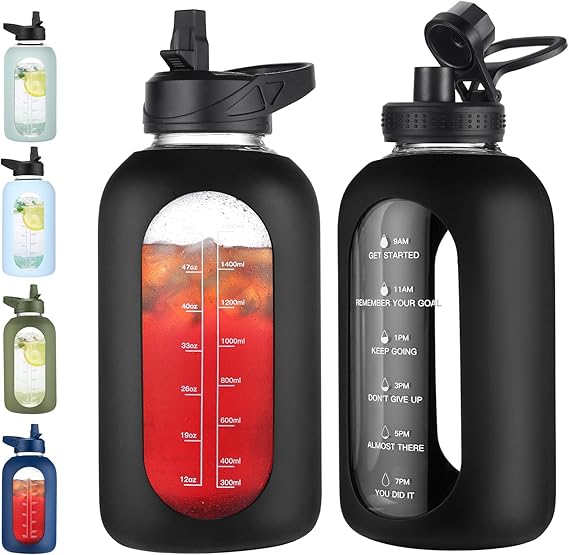
Check out this great Water Bottle. Click here
This post may contain Affiliate links, which means, I may receive a commission on every purchase made through links. I make it a habit. I only recommend products that I use myselfre Statement

