
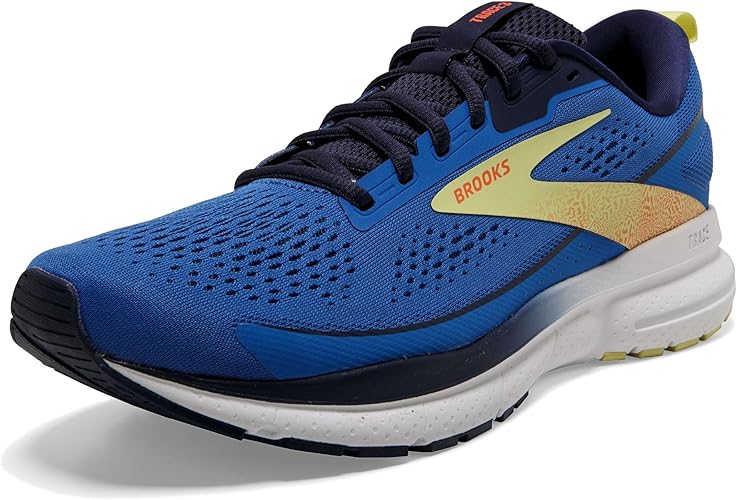
Breaking in new running shoes isn’t just about comfort; it’s about preventing blisters and ensuring your gait stays natural as the materials soften. While modern shoes are more flexible than those of the past, a structured transition is still the best way to protect your feet.
Here are six ways to break in your new pair effectively:
1. The “Around the House” Phase
Before hitting the pavement, wear your new shoes indoors for a few hours. Walk on carpeted surfaces while doing chores or working at your desk. This allows the upper materials—the mesh and overlays—to flex and adapt to the specific shape of your foot without the high-impact stress of a run. If you feel any immediate “hot spots” or pinching, you’ll know before you’re five miles away from home.
2. Measure Against Your Old Pair
A common mistake is assuming the same brand and size will fit identically every year. Compare your new shoes to your old ones. Ensure there is about a thumbnail’s width of space between your longest toe and the end of the shoe. Running causes feet to swell, so if they feel “perfectly snug” while sitting on your sofa, they are likely too small for a long-distance run.
3. Start with Short, Easy Efforts
Your first few runs should be significantly shorter than your average outing. If you usually run six miles, try two or three miles for the first few sessions. Use a slow, easy pace. This gives the midsole foam time to “settle” and go through its initial compression cycles. It also allows your tendons and muscles to adjust to any slight changes in drop or cushioning height.
4. Use the Proper Socks
Never break in new shoes with old, thin, or cotton socks. Wear the exact technical, moisture-wicking socks you plan to race or train in. The friction between a new heel counter and a subpar sock is a recipe for instant blisters. Proper socks provide the necessary buffer and ensure the shoe fits the way it was designed to.
5. Rotate Your Shoes
Don’t retire your old pair the moment the new ones arrive. Use a rotation strategy: wear the new shoes on short run days and keep the old pair for your long runs or speed workouts. Gradually increase the mileage in the new pair over two weeks until they become your primary trainer. This “overlap” period reduces the risk of overuse injuries caused by a sudden change in footwear.
6. Fine-Tune the Lacing
New laces are often stiff and can cause pressure points on the top of the foot (dorsal compression). If you feel tingling or numbness, try different lacing techniques. The “Heel Lock” or “Runner’s Loop” is great if you feel your heel slipping, while “Window Lacing” can relieve pressure if the shoes feel too tight across the midfoot.
Are you experiencing any specific discomfort or hot spots with your new pair, or are you just getting ahead of the game?
This post may contain Affiliate links, which means, I may receive a commission on every purchase made through links. I make it a habit. I only recommend products that I use myselfre Statement


