
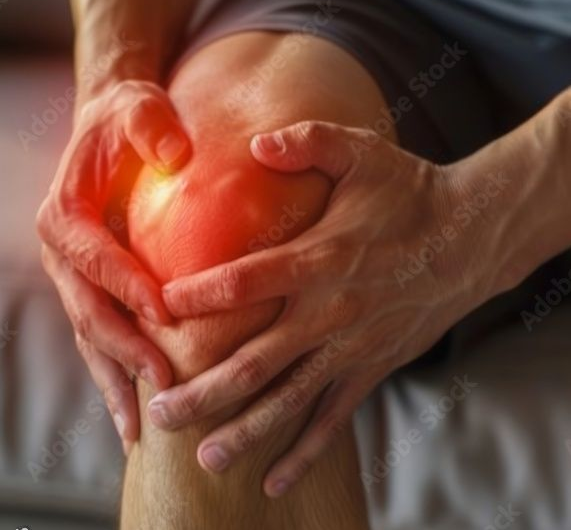
The seven most common types of Knee injuries are ACL tears, PCL tears, collateral ligament sprains, meniscus tears, patellar tendonitis, knee fractures, and patellar dislocations. These conditions affect the bones and cartilage, ligaments, or tendons that keep the joint stable and moving smoothly.
1. Anterior Cruciate Ligament (ACL) Tears
The ACL runs diagonally inside the middle of the knee to stop the shinbone from sliding forward. Athletes often tear this ligament during sudden stops, sharp pivots, or awkward jump landings. A tear frequently causes a loud popping sound, rapid swelling, and a feeling that the knee is giving way. [1, 2, 3, 4, 5]
2. Posterior Cruciate Ligament (PCL) Tears
Located at the back of the knee, the PCL prevents the shinbone from moving too far backward. Unlike ACL tears, PCL injuries usually happen from a direct, forceful blow to the front of a bent knee. Common triggers include car dashboard impacts and hard tackles in contact sports. [1, 2, 3, 4]
3. Collateral Ligament Sprains (MCL and LCL)
The medial collateral ligament (MCL) and lateral collateral ligament (LCL) brace the inner and outer sides of the joint. Sideways impacts push the knee inward or outward, stretching or tearing these bands. According to Bupa UK, localized pain along the inner or outer edge of the joint is the primary sign of a collateral sprain. [1, 2, 3, 4]
4. Meniscus Tears
The meniscus consists of two C-shaped pieces of rubbery cartilage that act as shock absorbers between the thighbone and shinbone. Twisting or pivoting while bearing weight can rip this cartilage in younger athletes. In older adults, natural wear makes the tissue fragile enough to tear during simple movements like standing up from a chair. Symptoms include joint-line pain, delayed swelling, and a locking sensation. [1, 2, 3]
5. Patellar Tendonitis (Jumper’s Knee)
Patellar tendonitis is an overuse injury involving inflammation of the tendon connecting the kneecap to the shinbone. Repetitive jumping, running, and kicking place constant stress on this band, creating tiny microtears. Pain typically centers right below the kneecap and worsens during physical activity. [1, 2, 3]
6. Knee Fractures
High-energy trauma—such as falls onto hard surfaces or vehicle collisions—can break the bones around the knee. The kneecap (patella) is the most commonly fractured bone in this joint. Fractures cause immediate, severe pain, visible bruising, swelling, and an inability to straighten the leg or bear weight. [1, 2, 3]
7. Patellar Dislocation
A dislocation happens when the kneecap slips completely out of its normal groove at the end of the thighbone. Sudden twisting motions or direct hits to the side of the knee typically force the bone out of place. As noted by Medical News Today, dislocations create obvious joint deformity and require prompt medical evaluation to check for surrounding tissue damage. [1, 2, 3]
This post may contain Affiliate links, which means, I may receive a commission on every purchase made through links. I make it a habit. I only recommend products that I use myselfre Statement

