
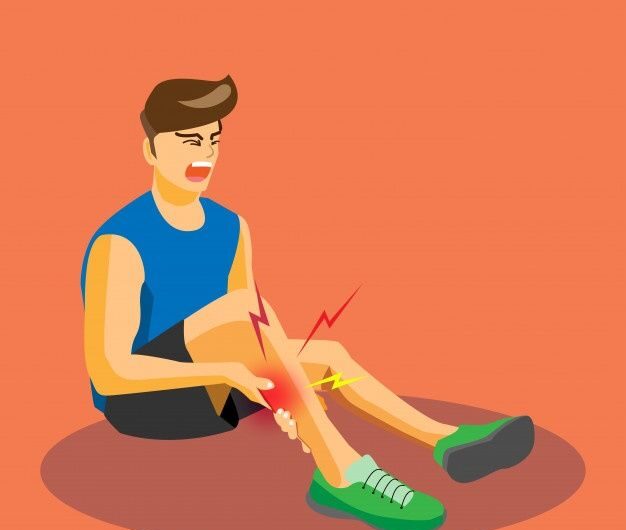
Injuries can feel like a setback, whether you’re a dedicated runner, weekend walker, or simply striving for better health. But why do these injuries occur—and what practical steps can you take to prevent them? Understanding the root causes, and making a few focused changes, can keep you moving forward safely and confidently.
1. Common Reasons Injuries Happen
- Overuse: Repeating the same movement, especially without enough rest, strains muscles and joints. This is widely considered the top cause of running-related injuries.
- Poor Flexibility: Tight muscles limit your range of motion, increasing the risk of strains and sprains. Research shows that regular stretching improves both performance and resilience.
- Improper Technique: Small errors in posture or form—like slouching while running or lifting—can build up stress on specific body parts, leading to persistent symptoms or acute pain.
- Ignoring Warning Signs: Mild discomfort, tingling, or unusual fatigue are early signals. Pushing through these signs often leads to more serious issues.
2. Small Changes That Make a Big Difference
- Warm Up and Cool Down: Start each session with gentle movement to prepare your body, and finish with slow stretching. This practical approach reduces muscle stiffness and injury risk.
- Mix Up Your Routine: Alternate activities to avoid repetitive stress. For example, combine running with swimming or cycling to give specific muscles a break.
- Focus on Flexibility: Dedicate 5–10 minutes daily to stretching major muscle groups. Studies indicate that consistent flexibility work lowers the chance of strains and improves overall mobility.
- Listen to Your Body: Pause and assess if you notice persistent symptoms like tingling, swelling, or sharp pain. Early action is key to preventing long-term problems. For more on related topics, see 7 reasons for tingling in legs and hand.
3. Research-Backed Prevention Tips
- According to a growing body of evidence, gradual increases in workout intensity and duration are safer than sudden jumps.
- Wearing supportive footwear and maintaining good hydration are simple yet effective ways to support joint health and recovery.
- Incorporate rest days into your schedule—recovery is as important as activity for long-term health.
Takeaway: Small Steps, Lasting Results
Injury prevention isn’t about perfection—it’s about paying attention to your body and making thoughtful adjustments. By understanding why injuries happen and embracing small, consistent changes, you can enjoy better health and more active days ahead.
For more practical health and running advice, visit the Rene’s Tips blog.
This post may contain Affiliate links, which means, I may receive a commission on every purchase made through links. I make it a habit. I only recommend products that I use myselfre Statement