
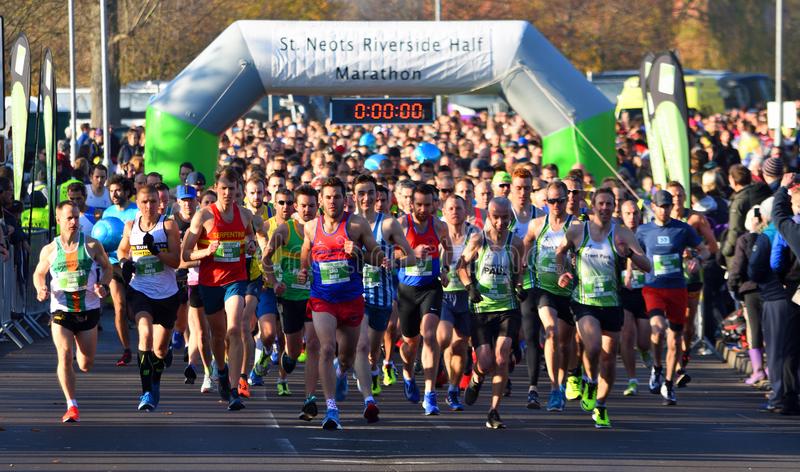
Ever looked at your watch during a long run and wondered if a sub-2-hour half-marathon was still in reach—especially now that you’re over 60? You’re definitely not alone. I’ve had that same thought, staring down the numbers and questioning whether age automatically means slowing down for good. (Spoiler: it doesn’t have to. With the right approach, you can still chase—and hit—that 2-hour barrier.)
The Challenge: Age, Pace, and the Mental Game
Let’s be honest: running fast after 60 comes with its own set of hurdles. Recovery takes longer, injuries pop up a bit more often, and the world seems convinced that “fast” is for the younger crowd. But I’ve seen plenty of runners who prove otherwise. The real challenge? Building a plan that works with your body, not against it—and believing that your best days aren’t all behind you.
My Journey: Chasing (and Catching) That Sub-2
When I first set my sights on a sub-2-hour half in my 60s, I’ll admit I had doubts. It took a few tweaks—smarter training, better fueling, and a lot more patience—but the thrill of crossing that finish line never gets old. Here’s what actually made the difference:
Actionable Steps to Make It Happen
- Prioritize Consistency Over Intensity: Forget crash training. Two or three quality runs a week—one long, one speed-focused, one easy—beat an all-or-nothing approach every time.
- Embrace Strength and Mobility: A few minutes of strength work (think bodyweight squats, lunges, and core) and mobility drills after each run help keep everything firing smoothly and reduce injury risk.
- Dial In Your Nutrition: Focus on easily digestible carbs before long or fast sessions, and always refuel with a mix of carbs and protein within an hour of finishing. Hydration matters more than ever—sip water throughout the day, not just before your run.
- Train at Goal Pace (But Not Every Day): Include some intervals or tempo runs at your target pace (about 9:09/mile for sub-2). But don’t overdo it—easy miles are just as important for recovery and endurance.
- Listen to Your Body—And Adjust: If something feels off, swap a run for a walk or a cross-training day. Progress isn’t linear, especially after 60, but consistency pays off.
- Get Support: Whether it’s a running group, a coach, or just a friend to check in with, accountability helps keep you motivated and honest about your goals.
Why This Goal Matters—And Why You Can Do It
Setting a big goal like a sub-2-hour half-marathon at 60+ isn’t just about the clock. It’s about proving to yourself (and maybe a few skeptics) that age is just a number. The process—building habits, staying active, and celebrating every milestone—brings rewards that go way beyond race day.
If you want more step-by-step guidance on building a sustainable running routine, staying injury-free, and making every mile feel easier, check out my main article on making running feel easier—it’s packed with practical advice for runners at every stage, including those of us with a little more experience (and a few more stories to tell)
This post may contain Affiliate links, which means, I may receive a commission on every purchase made through links. I make it a habit. I only recommend products that I use myselfre Statement


